Programs


Lindamood-Bell LiPS Program (Lindamood Phoneme Sequencing Program)

The LiPS Program is an evidence-based, multisensory approach designed to help individuals develop phonemic awareness—the ability to hear, identify, and manipulate the individual sounds (phonemes) in spoken words. This skill is foundational for reading, spelling, and decoding.

LiPS teaches students how speech sounds work in their mouths so they can accurately perceive, produce, and sequence sounds in words.

Instead of relying mostly on listening, LiPS uses:

  • Auditory cues – hearing differences in sounds
  • Visual cues – seeing how the mouth moves
  • Tactile/kinesthetic cues – feeling what the lips, tongue, and jaw are doing

Students learn to be aware of how each sound is made (for example: "lip poppers," "tongue tappers," "open sounds," etc.). This awareness helps them self-correct and decode/read with more accuracy.

LiPS Builds Skills in:

  • Identifying individual phonemes
  • Segmenting sounds in words
  • Blending sounds
  • Manipulating sounds (adding, deleting, substituting)
  • Understanding sound-letter correspondence
  • Strengthening decoding and spelling

Who It's For:
LiPS is often used as the starting point for students with dyslexia or other reading difficulties and for early readers who need foundational phonemic skills.

What Makes LiPS Unique:
LiPS focuses heavily on the physical feel of sounds—something many struggling readers have never noticed. By building this oral-motor understanding, students develop strong and durable phonemic skills that support reading and spelling long-term.

Seeing Stars

The Lindamood-Bell Seeing Stars® Program is a structured, multisensory reading and spelling intervention designed to develop symbol imagery—the ability to visualize letters and letter patterns in your mind. This skill is essential for fluent word recognition, accurate decoding, spelling, and overall reading fluency.

Seeing Stars helps students learn to "picture" letters and words in their minds so they can read and spell more automatically.

The Program Focuses On:

1. Symbol Imagery
Students learn to create clear mental images of:

  • Individual letters
  • Letter sequences
  • Entire words

This imagery skill supports fast and accurate reading.

2. Orthographic Processing
Seeing Stars strengthens how the brain recognizes written words by focusing on:

  • Letter order
  • Common letter patterns
  • Visual memory for words

This is crucial for sight-word development.

3. Decoding
Students practice:

  • Sounding out new words
  • Visualizing the letter patterns
  • Connecting sounds to letters accurately

4. Spelling
Seeing Stars directly teaches how to visualize the correct spelling of words, helping students hold and reproduce letter sequences.

How It Works:
The program uses a step-by-step sequence of activities that include:

  • Air-writing letters and words
  • Imagery questions ("What letter do you picture first? What comes next?")
  • Tracking (rapid, timed symbol/word activities)
  • Word attack and word lists
  • Reading connected text

Students are constantly asked to picture what they're reading or spelling, strengthening the mental imagery needed for fluent reading.

Seeing Stars is Effective For:

  • Students with dyslexia
  • Students who read slowly even if they can decode
  • Students who have difficulty with sight words
  • Students with spelling challenges
  • Early readers needing strong orthographic foundations

Why It's Unique:
While many programs teach decoding, Seeing Stars focuses on the imagery behind the decoding. By teaching students to picture letters and words, it helps them read more fluently and automatically—not just sound-by-sound.

Word Connections

Word Connections is a supplemental reading intervention program. The program aims specifically to help students with multisyllabic word reading—i.e., reading longer words, not just simple one-syllable words.

Word Connections is Designed For:

  • Students in upper elementary—typically grades 3–5 (or above)
  • Students who have already mastered basic decoding of monosyllabic (one-syllable) words, but who still struggle when confronting longer, multisyllabic words
  • Those who need structured, explicit support to decode, read, and spell multisyllabic words

Word Connections is not for brand-new readers—it's for students who can read basic words but struggle when reading "bigger" words.

What It Teaches:
Word Connections emphasizes morphology and orthography: teaching students to recognize and work with prefixes, suffixes, root words, and other word parts—helping them "chunk" multisyllabic words into manageable parts.

  • Instruction is explicit and systematic. Students receive guided practice breaking down longer words, blending syllables, and applying those skills with reading and spelling tasks.
  • Over time, the goal is to build automaticity—meaning when students see longer words, they don't have to decode every letter-by-letter but can read and recognize them more fluently.

What Makes Word Connections Unique:

  • As students move into upper elementary or middle school, texts become more complex and include more multisyllabic words. Word Connections helps bridge the gap between basic decoding and fluent reading of more advanced text.
  • For students with reading difficulties (e.g. dyslexia or delayed decoding), it provides structured, intensive support—especially where basic phonics instruction is no longer enough.

About me

Hello! I’m Hannah Nelson, a reading specialist with a passion for helping children develop strong literacy skills, renewed confidence, and a genuine love for reading. My work is grounded in structured, research-based intervention tailored to each learner’s individual needs.

I graduated from Arizona State University in 2020 with a Bachelor’s Degree in Health Sciences, and I earned a Master’s Degree in Literacy from the University of Central Arkansas (an IDA accredited program) in 2023, along with a dyslexia endorsement. I am CERI (Center for Effective Reading Instruction) certified, strengthening my ability to support students using evidence-based practices. I am trained in the Lindamood-Bell LiPS and Seeing Stars programs, both highly regarded for building foundational reading and language skills.

For nearly a decade, I worked one-on-one as a habilitation provider helping both children and adults with autism build life skills- an experience that shaped my patient, loving approach to working with those who have differences. During that period, I worked with a young boy with dyslexia and had the privilege of watching his confidence and skills grow through consistent, daily 1:1 Lindamood-Bell instruction. Witnessing the moment when words finally clicked and the student’s world opened up is what sparked my passion for helping other struggling readers find the same successes.

As an avid reader myself, I believe deeply in the gift of reading and in the opportunities it opens for every child. For students who find reading difficult, the magic and joy of literature can easily fade. My mission is to help them rediscover that spark—to show them that reading is attainable, empowering, and even exciting with the right support.

Every child deserves to experience the joy of reading, and I hope to help them build the confidence and skillset they need to become lifelong readers.

Outside of teaching, I’m happily married and love adventuring with my husband, Garrett, and dog, Harley. I enjoy fishing (especially in Alaska), scrapbooking and crafting, reading a good book, and enjoying quality time with family.
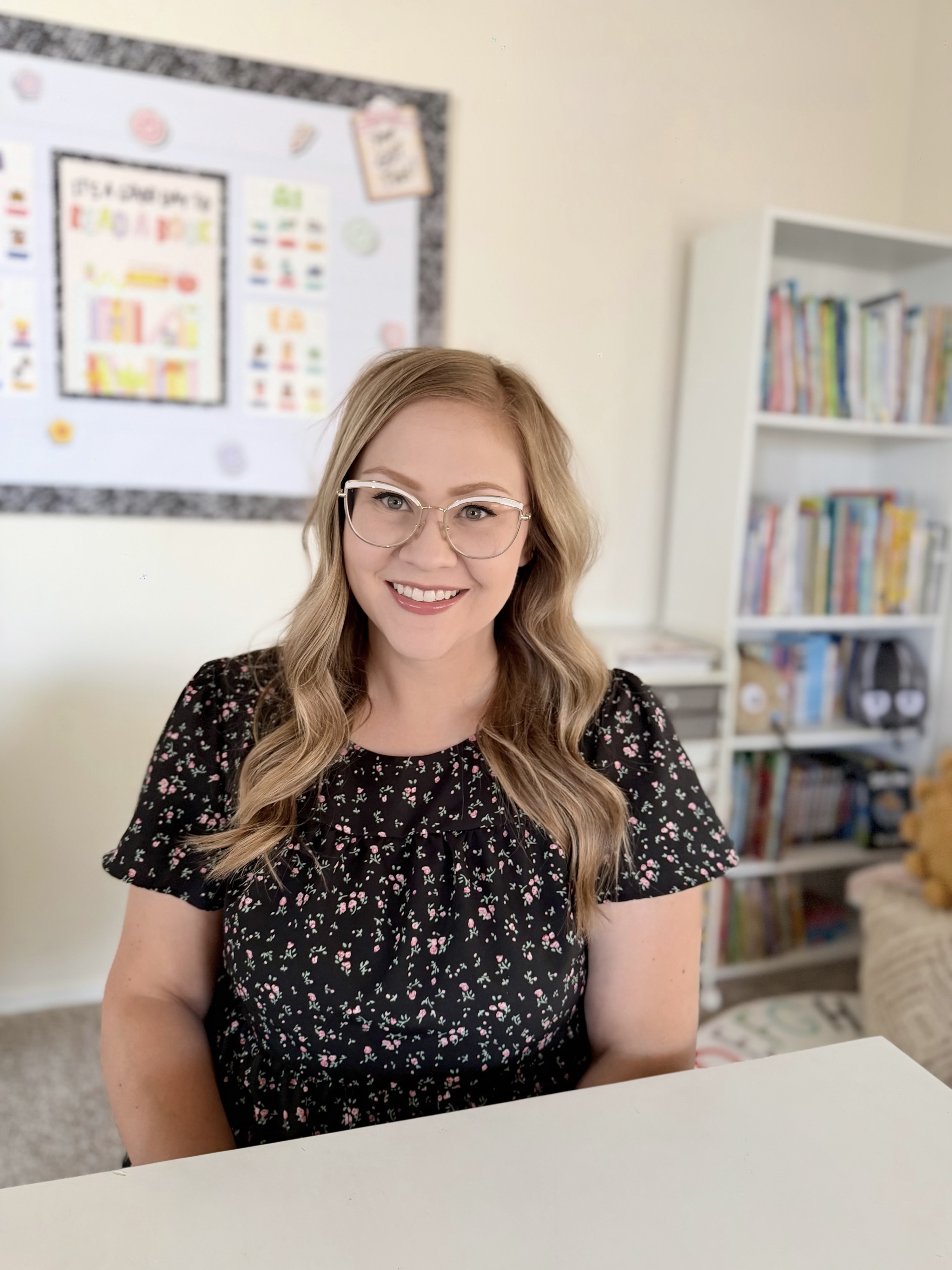
Hannah with student

FAQ


Frequently asked questions


Do you offer a consultation?

Yes. I ofter an initial consultation to discuss your child's needs and determine if tutoring is a good fit.

What ages and grade levels do you work with?

I work with early readers through upper elementary students who need support with reading, spelling, and writing.

What reading challenges do you specialize in?

I specialize in dyslexia, decoding difficulties, phonics gaps, poor spelling, reading fluency, and comprehension challenges.

What programs or methods do you use?

I use evidence-based, structured literacy approaches including UFLI Foundations, Lindamood-Bell LiPS and Seeing Stars, The Writing Revolution, and Word Connections.

Is your tutoring evidence-based?

Yes. All instruction is grounded in the science of reading and structured literacy research.

What are your rates?

Rates vary based on session length and frequency. Please contact me for current pricing.

Do you accept insurance?

No. Tutoring services are typically not covered by insurance.

When/how do I pay you?

I accept Zelle, cash, or checks. Payment is required in advance of tutoring sessions. Unpaid balances may result in sessions being paused until payment is received.

Do you take payments through ESA?

You may submit invoices to ESA for reimbursement.

What is your cancellation policy?

I understand that schedules change. To ensure consistent learning and fairness to all families, the following cancellation policy is in place:

  • A minimum of 48 hours' notice is required for cancellations or rescheduling.
  • Sessions canceled with less than 48 hours' notice will be charged in full.
  • Missed sessions or no-shows will be charged in full.
  • In the event of illness or emergency, please communicate as soon as possible.

How long does it take to see progress?

Every child is different, but families often see improvements in confidence and foundational skills within the first few months.

How do you track progress?

I use ongoing assessments, session notes, and regular parent communication to monitor growth and adjust instruction.

Will you communicate with my child's teacher or school?

With parent permission, I'm happy to collaborate with teachers or review school reports to support consistency.

Can I stay to watch my child during their tutoring session?

Due to space limitations and to best support student focus and independence, parents asked not to stay during tutoring sessions. Parents are welcome to observe the first session to see how we work and help their child feel comfortable.

How will I get updates on my students' progress?

I will provide monthly progress reports to parents. Brief weekly check-ins will also be provided. To ensure timely transitions between sessions, tutoring will conclude 10 minutes early if parents would like time for questions or updates. This allows us to connect without impacting the next scheduled student.

How often should my child attend tutoring?

For best results with Lindamood-Bell instruction, consistent attendance is key. We recommend that students attend 3-4 1.5 hour sessions per week. This frequency supports steady progress. Every child is different, so we'll work with you to develop a schedule that fits your child's needs and your family's routine.

Does my child need a dyslexia diagnosis to work with you?

No. A formal diagnosis is not required to begin tutoring.

How is your tutoring different from school reading intervention?

Tutoring is one-on-one instruction, highly individualized, and moves at your child's pace with targeted instruction based on their specific needs.

Do you offer in-person or virtual tutoring?

I currently only offer in-person tutoring.